Buying glasses online is a guessing game. The product thumbnail is a stock model with a different face, the reviews say "smaller than expected," and you can't really tell whether a frame suits you until the box arrives. The alternative is driving to a store, trying on twenty pairs under fluorescent light, and still second-guessing yourself in the car.
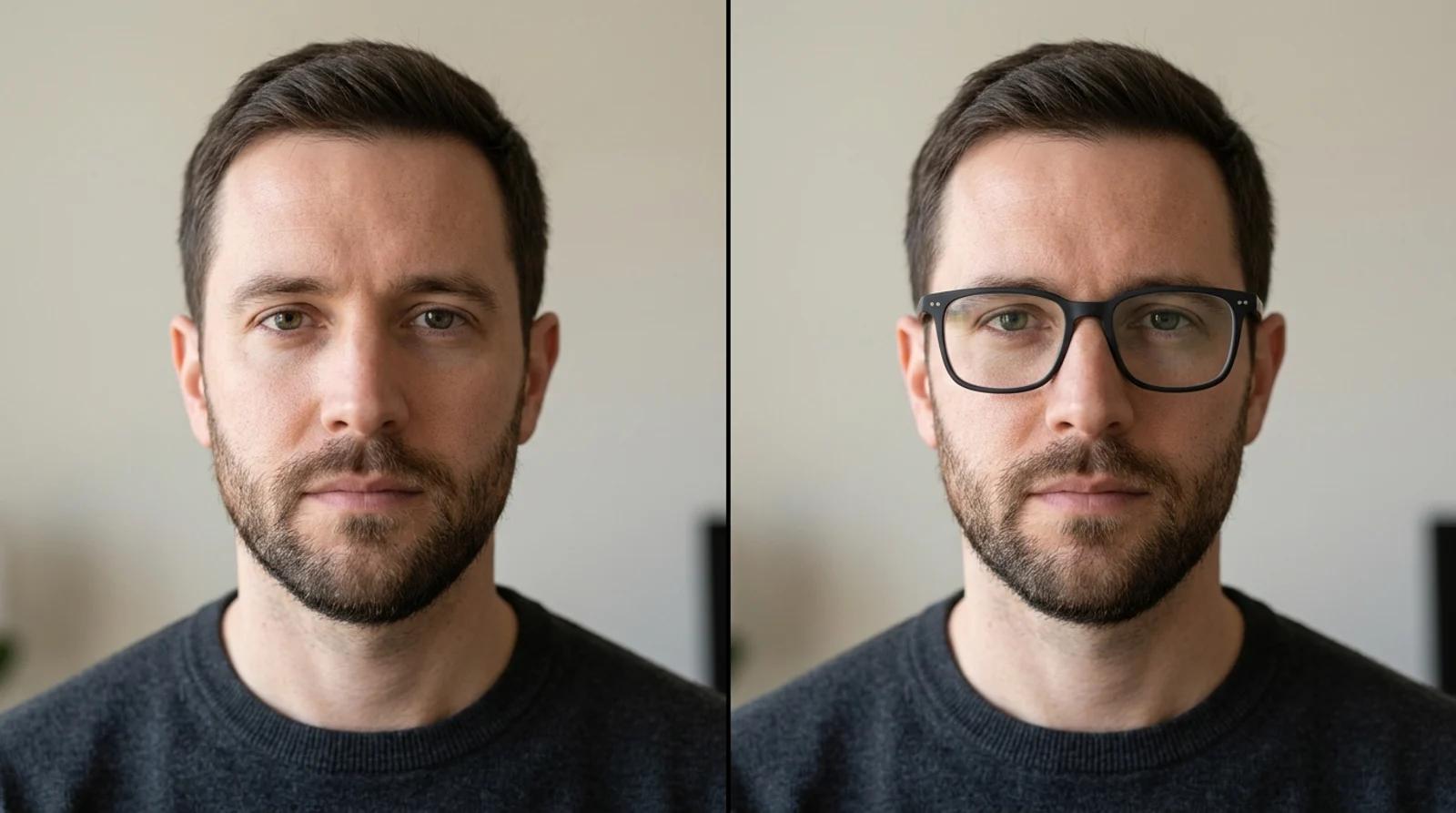
If you want to try on glasses online from a photo, a virtual glasses try-on skips both. You upload one front-facing photo, pick a frame shape, and see it sitting on your own face in a few seconds. Same eyes, same skin, same lighting, just with glasses added. It's the fastest way to shortlist frames before you spend money, and it's free to try.
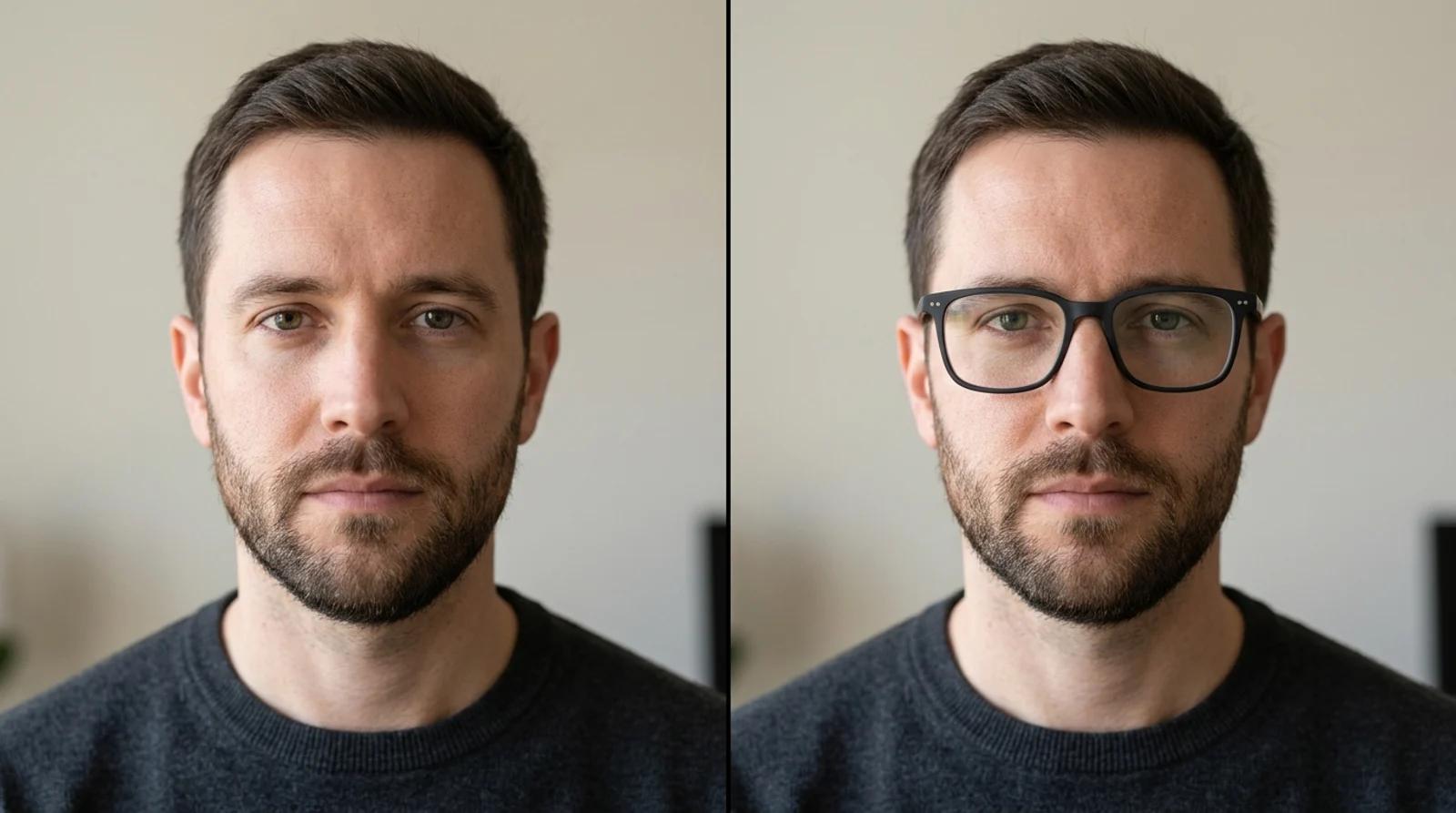
Virtual try-on does one job well: visual shortlisting. It answers "do round frames suit my face?" or "is this tortoise pattern too loud?" much faster than ordering three pairs and shipping two back. Use it to:
- Narrow a long product page down to two or three frame shapes worth ordering
- Compare round, square, browline, and cat-eye on the same face before you commit
- Sanity-check a style a friend recommended without leaving the couch
- Mock up a look for a costume, a profile photo, or a creative concept
It's not a fit or prescription tool. The preview shows how a shape looks, not how it measures. It won't give you the bridge width, the temple length, or your lens prescription, and the output isn't a sizing measurement. Before you buy, confirm the real dimensions, lens details, and return policy with the seller.
Two more honest caveats about how the tool works. It expects an adult, front-facing portrait, and it keeps the person you upload rather than swapping faces. Side profiles, heavy shadows, or glasses already covering your eyes make the alignment less reliable. And it isn't for impersonation, official IDs, or editing someone's photo without their consent.
Open the virtual glasses try-on and use "Upload a front-facing portrait" to add your photo. The source image sets the ceiling on how believable the result looks, so it's worth getting right.
A good portrait for try-on is:
- Front-facing and head-on, with both eyes, the nose bridge, and the full outline of your face visible. The model places the frame using those landmarks, so a straight angle gives it the most to work with.
- Evenly lit. Soft light across your whole face. Strong side shadows or blown-out highlights make the frame and its shadows harder to align.
- Eyes open and clear. No existing glasses, no hair across your eyes, no hand near your face.
- Sharp and recent. A clear phone selfie is plenty. Skip anything with motion blur or low resolution.
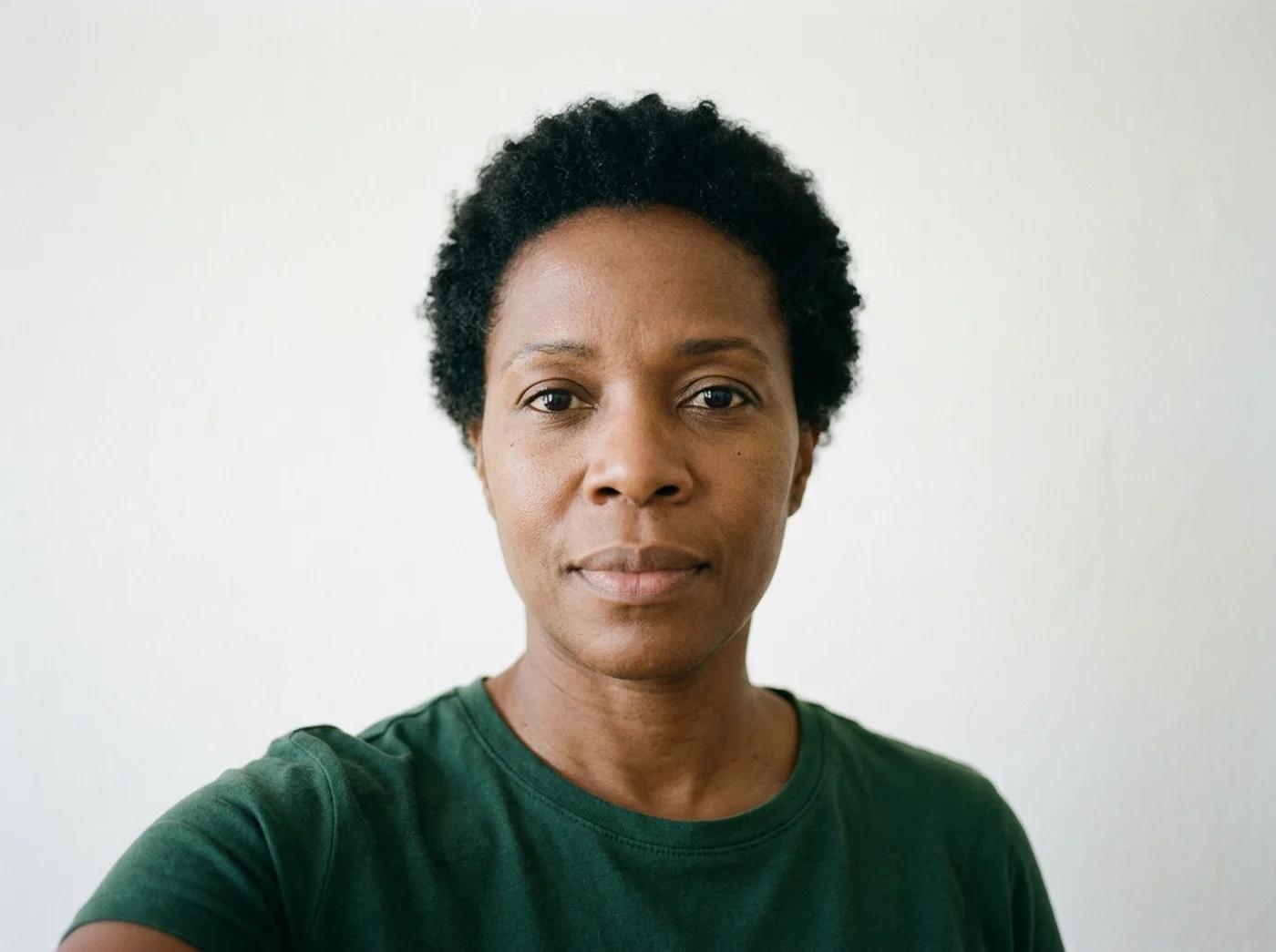
If you only fix one thing, shoot facing a window. Daylight on a head-on portrait does more for the result than any other tweak.
Once your portrait is in, choose a frame under "Choose glasses frame." Each preset is a real frame reference, so the model follows a concrete shape instead of guessing. Six are free to compare:
- Round acetate: soft, retro, intellectual
- Square black: bold, modern, structured
- Rimless: minimal and lightweight, almost invisible
- Bold tortoise: warm and classic, a statement you can still wear daily
- Browline: vintage, defined across the top
- Cat-eye: upswept and expressive
Switching frames costs you nothing, so don't stop at one. Run the same portrait through several shapes and line them up side by side. Seeing four frames on your own face at once tells you more than any product photo on a model.
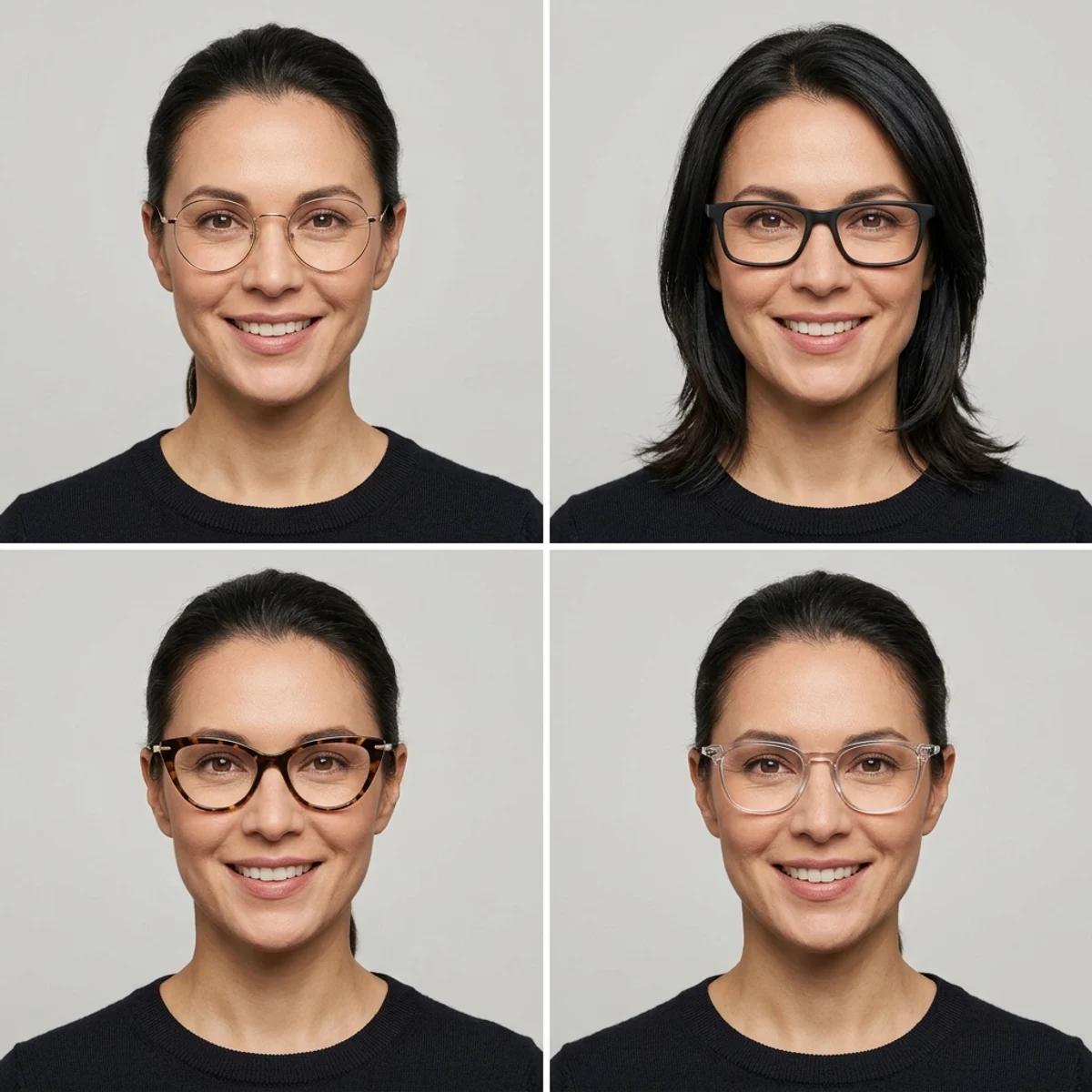
Click "Try on glasses." The model adds the frame while keeping your identity, eye direction, skin texture, lighting, and expression unchanged. It takes a few seconds.
When it finishes, don't just glance and move on. Zoom in and check the details AI sometimes gets wrong:
- Bridge height: does the frame sit on the nose bridge naturally, not floating above your eyes or sliding down?
- Frame width: do the edges line up with the sides of your face instead of running off it?
- Lens edges: clean and even, no warping at the corners?
- Temple direction: do the arms run back toward your ears at a believable angle?
- Shadows: is there a soft shadow where the frame meets your skin, matching the light in the photo?
If something looks off, a floating frame or a warped lens, try another preset or regenerate. Each run varies a little. If every result looks wrong, the fix is almost always a cleaner source. A clearer nose bridge and more visible eyes solve most alignment problems.
Frame choice is part face shape, part personal taste. Use this as a starting point, then let the try-on confirm it on your actual face. These are tendencies, not rules.
| Frame shape | Suits these face shapes | What it tends to do |
|---|
| Round | Square, angular, strong jawlines | Softens sharp features; retro and approachable |
| Rectangular or square | Round, soft, fuller faces | Adds definition and angles; structured and modern |
| Cat-eye | Round, heart, oval | Lifts the eyes; upswept and expressive |
| Browline | Oval, square, heart | Draws attention to the top half; vintage and confident |
If your face is oval, most shapes work, so you can pick on style alone. And if you're stuck between two shapes, that's exactly what the free try-on is for.
Whether a try-on looks real or pasted on usually comes down to the input. A few concrete habits:
- Start with a head-on selfie. A straight angle gives the model your eyes and nose bridge to anchor the frame. Tilted or three-quarter shots are where frames start floating.
- Fix the light first. Face a window in daytime. Soft, even light reads as a real frame with a real shadow. Harsh or uneven light reads as a sticker.
- Take the glasses off before you upload. Adding a frame over existing glasses confuses the alignment.
- Use a sharp, decent-resolution photo. More detail means crisper lens edges and a cleaner fit around the temples.
- Check the fit on your face, not the screenshot. Compare the result against your original portrait and look at bridge height and frame width. That's where "suits me" actually lives.
- Generate a few and compare. Pick the frame and the run that look most natural, the same way you'd try several pairs in a store.
You can upload a portrait, pick a frame, and compare all six styles on the free base model without an account. Signing in keeps your try-ons in history so you can come back to them, and it removes the export watermark from the download.
You don't need to order three pairs or drive to a store to find out which frames suit you. Upload one clear, well-lit, head-on photo, compare the shapes that catch your eye, and check the fit against your own face before you commit. It costs nothing to look.
Try the free glasses try-on